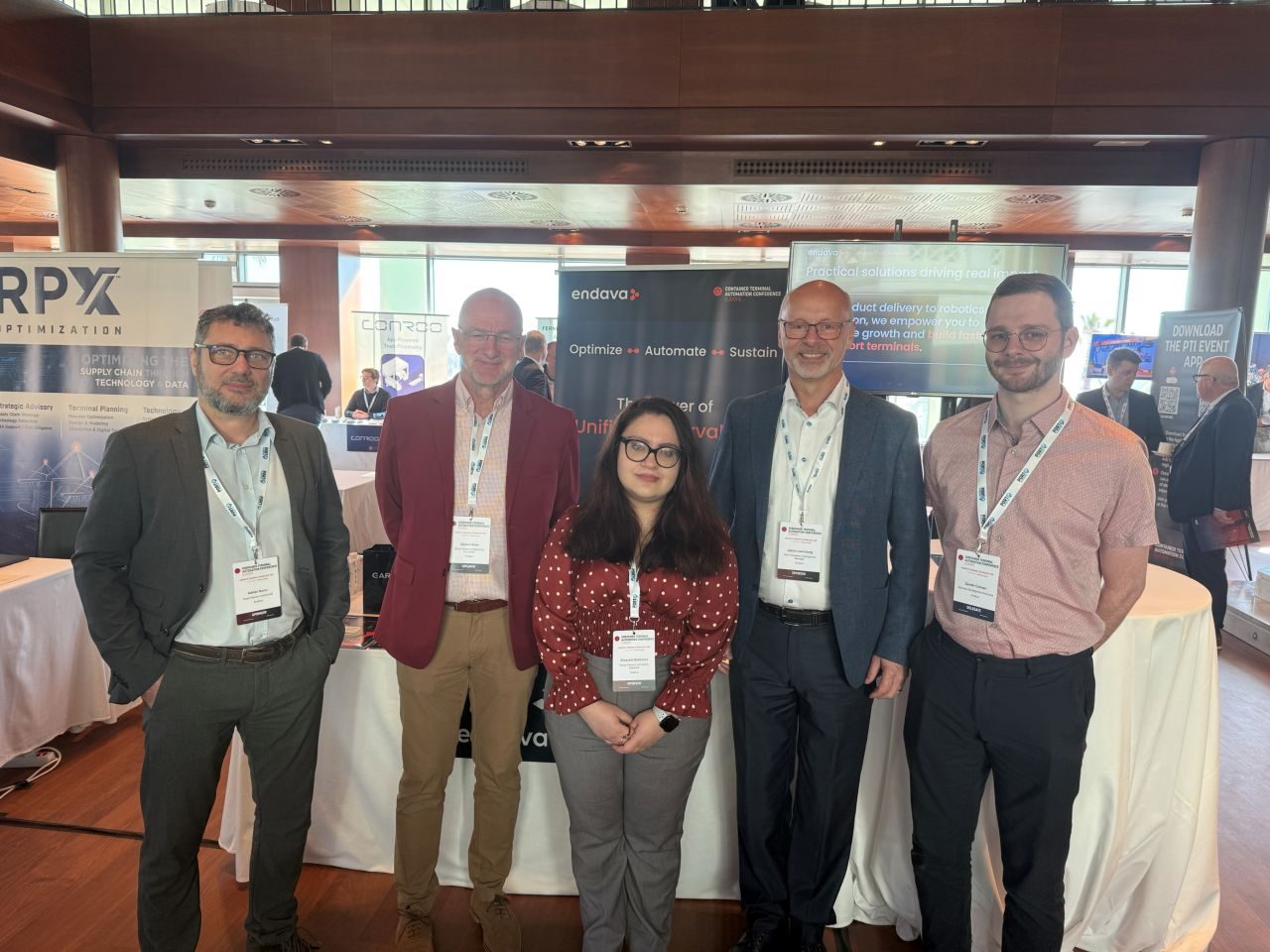
Last year I mentored "Test-Drive: Marketing" at Prospera, a course that lets teenagers try out a profession before they commit to studying it. Six days. A group of 14 to 17 year olds who had never written a brief or opened Google Analytics. My job was to open the door to marketing and let them look inside.
One of those six days was dedicated entirely to "Studii de Marketing": where to study it, what the programs actually cover, and what a degree does and doesn't guarantee once you're in the job. I want to talk about that day specifically, because preparing it forced me to answer a question I hadn't sat with in a while: if I were choosing today, in 2026, how would I plan a path into this field?
The course itself
We didn't start with theory. Day one was about what marketing actually is, stripped of jargon. Day two and three split the field into its real specializations: content and copywriting, data and analytics, social media and community, events and offline activation. I had them take a short quiz first, matching their instincts (do you like writing, analyzing numbers, making videos, or organizing people) to a specialization, before we ever named a job title. Most of them were surprised marketing had this many distinct disciplines. A few assumed marketing meant "Instagram" and nothing else.
We used a slide about the Deadpool vs Wolverine promo campaign to talk about branding as identity, not decoration. And I made a point of showing them why offline marketing still matters: not everyone is online all the time, and a physical experience builds trust that a digital ad can't always earn on its own. That slide surprised them more than the AI ones did.
Day four covered universities and programs, both in Moldova and abroad, and how to build a portfolio before you even have a job. Day five and six were company visits, where they met working marketers and saw a campaign get built in real time.
What the "where to study" conversation actually needed
Teenagers ask a very direct question: which university guarantees a job. There's no honest answer to that. What I told them instead: a marketing degree teaches you frameworks and vocabulary. It does not teach you the tools you'll actually use, and it won't keep up with how fast the tools change. ASEM gave me my foundation in business administration, and CIM gave me a structured way to think about brand strategy. Neither taught me HubSpot, and neither could have, because the platforms I use daily didn't exist in their current form when I was studying.
So the advice I gave them was less about picking a school and more about picking a habit: treat your education as the base layer, and build a live practice on top of it from day one. Start a personal project, analyze a brand you like, write for a fake client, run a tiny ad budget. By the time you graduate, you want a portfolio that proves you've already been doing the job, not just studying it.
Where this connects to 2026
Preparing that day also made me look hard at what's changing in the field right now, and a few things stood out that I wish someone had told me at 17.
AI is no longer a separate skill. It's the baseline. The trend reports for 2026 keep pointing to the same thing: AI-driven personalization and automation have matured from novelty to infrastructure. That matches what I see in my own work. The differentiator isn't knowing how to prompt a model. It's knowing when to trust its output and when to override it. I'd tell a student today: learn to judge AI work critically before you learn to generate it, because generation is now the easy part.
Search is splitting into SEO and something new. Being found on Google is no longer the whole game. Being cited inside AI-generated answers (what some are calling GEO or AEO) is becoming its own discipline. A student choosing a specialization in content or SEO needs to understand both, because the audience reading your work now includes other AI systems summarizing it for a human.
Reach is losing ground to trust. Several 2026 trend reports talk about a shift away from raw impressions and toward community, partnership, and long-term relationships. That's the same instinct behind the offline marketing slide that got my students' attention. In a market saturated with AI-generated content, a real event, a real conversation, or a real partnership stands out precisely because it's harder to fake.
Specializations are getting sharper, not blurrier. The old idea of a generalist "social media person" is splitting into narrower roles: community management, paid social, creative production, data-informed targeting. For a 16 year old picking a direction, this is good news. You don't need to master everything. You need to pick a lane early, get genuinely good at it, and stay adaptable enough to move when the lane shifts.
What I'd tell my younger self
Marketing hasn't gotten harder to enter. It's gotten harder to fake. The tools do more of the execution now, which means the value has moved upstream, into judgment, strategy, and knowing your audience well enough to know when a template won't work. If I were sitting in that Prospera classroom as a student instead of a mentor, that's the one thing I'd want to hear before choosing where to study.